Muzealny rozbiór eksponatu
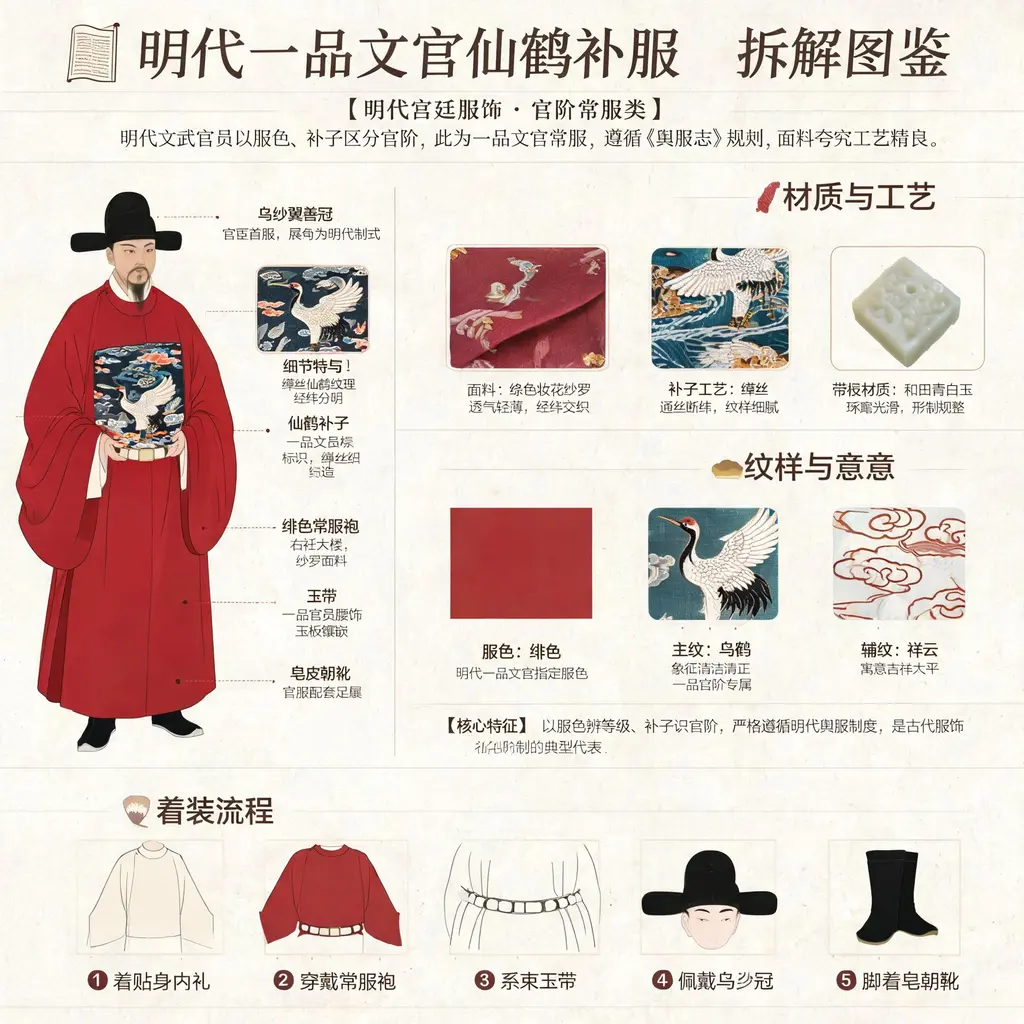
Zamień kostium albo artefakt w muzealną tablicę wystawienniczą z rozbiorem konstrukcji, próbkami materiałów, znaczeniem motywów i czystymi opisami w chińskim uproszczonym.
Aktualizacja:
Pełny prompt
Prompt po angielsku z przykładowym opisem. Przed generowaniem dostosuj temat i szczegóły. Oryginalne dane wejściowe i ustawienia przykładów nie są w pełni potwierdzone.
Zalecany model: GPT Image 2
Przykłady od zespołu

Źródła i autorzy
Zaadaptowane i przepisane przez OmniArt. Poniżej podano źródła, zmiany i warunki użytkowania.
- Museum Catalog-Style Chinese Disassembly Infographic
ZeroLu/awesome-gpt-image
README states CC BY 4.0 while the current LICENSE is MIT; attribution and the umbrella MIT notice are retained in THIRD_PARTY_NOTICES.md.
Rewritten and consolidated into an OmniArt recipe archetype; template tokens removed; named people, brands, platforms, games, and film IP generalized; no raw prompt text or source image copied.
Powiązane przepisy na prompty

Siatka przedmiotów na jedną literę
Zamień pojedynczą literę lub regułę nazewnictwa w uporządkowaną siatkę 10×10 ze 100 podpisanymi ilustracjami na bieli — gotową na plakaty do klasy i materiały do nauki słówek.
Pełny prompt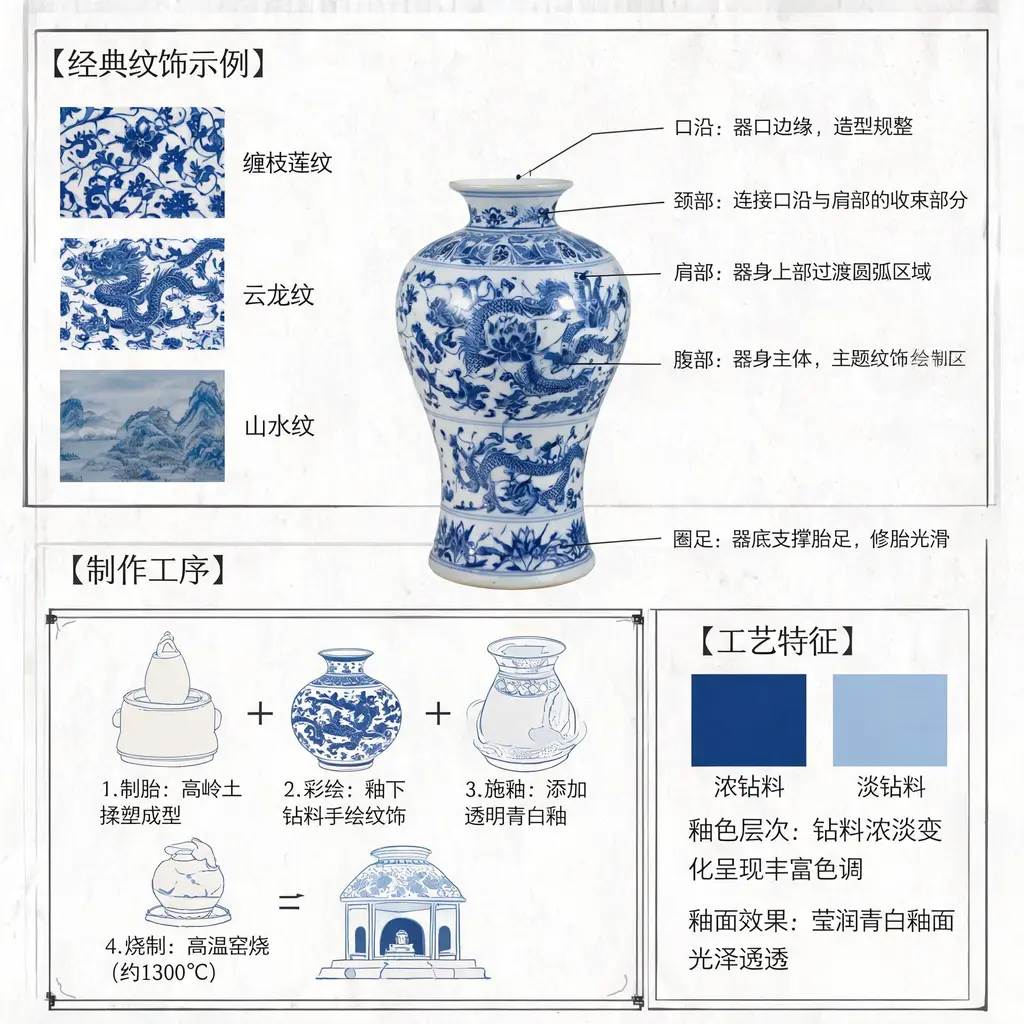
Diagram porcelany biało-niebieskiej
Zamień jingdezheńską porcelanę biało-niebieską w muzealny diagram z opisami — linie odniesienia do konstrukcji, zbliżenia motywów i naukowe notatki po chińsku o rzemiośle.
Pełny prompt
Wykład na tablicy kredowej
Zamień dowolny temat lub artykuł w odręcznie rysowaną tablicę kredową pełną diagramów, strzałek i liternictwa — gotową do udostępnienia jako podsumowanie w jednym obrazie.
Pełny prompt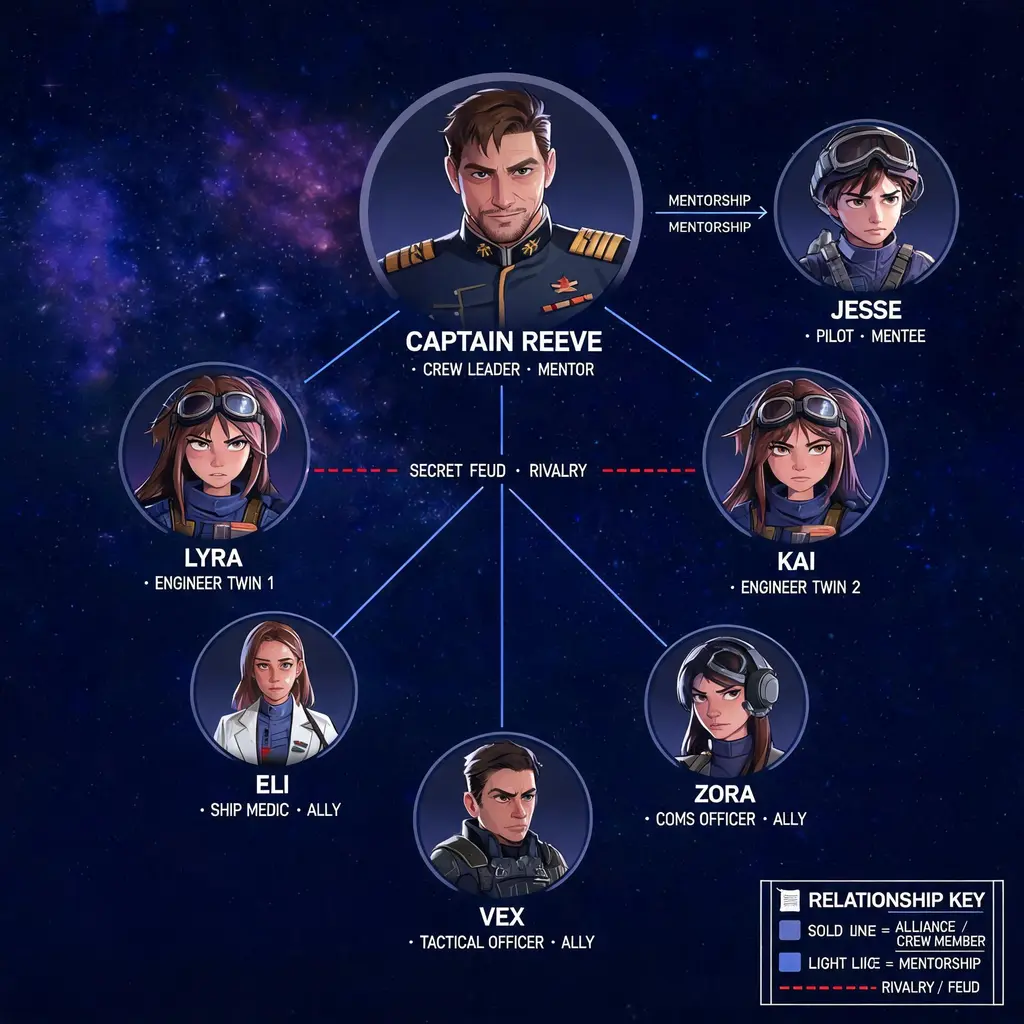
Mapa relacji między postaciami
Zamień obsadę w plakatową mapę relacji z kolorowym kodowaniem powiązań, portretowymi winietami i stylem graficznym zaczerpniętym ze świata samej historii.
Pełny prompt
Infografika drogi kawy
Prześledź drogę kawy od plantacji do filiżanki na ekskluzywnym plakacie z pięcioma etapami, ramkami danych, ikonami i paletą kawowego brązu oraz miedzi — gotowym do kawiarni.
Pełny prompt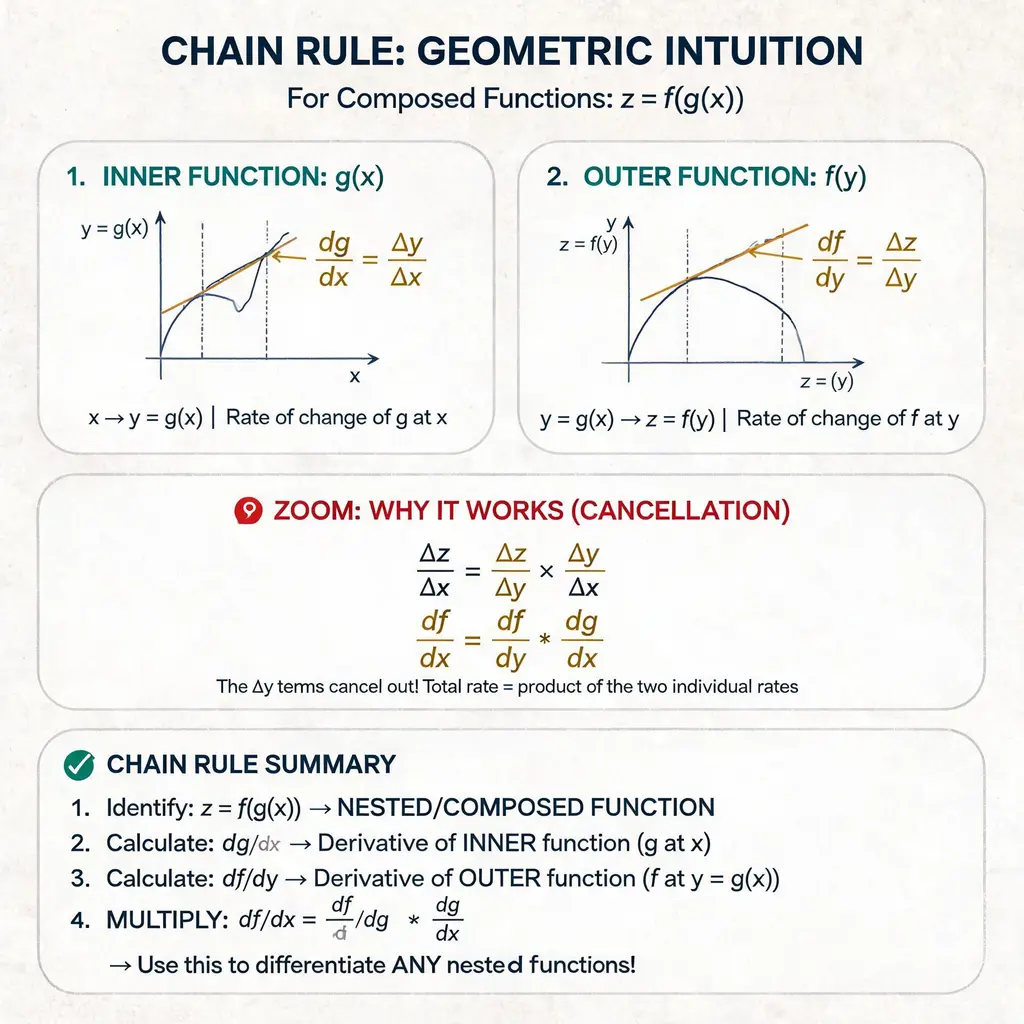
Wykładowa kartka z objaśnieniem
Wyjaśnij dowolne pojęcie — z matematyki, techniki czy teorii systemów — jako czystą kartkę wykładową z ponumerowanymi opisami, odręcznymi strzałkami, powiększeniami i sekcją podsumowania.
Pełny prompt